
6900 E US Highway 60
Suite 110
Gold Canyon, AZ 85118
6900 E US Highway 60
Suite 110
Gold Canyon, AZ 85118

Missing teeth change more than just the look of your smile — they affect how you eat, how you speak, and even how the jaw ages over time. Implant dentistry restores both form and function by replacing the tooth root and supporting a lifelike restoration that behaves like a natural tooth. Whether a single tooth is gone or several teeth are missing, modern implant care makes it possible to reestablish a stable, comfortable bite and a confident appearance.

At Contemporary Dentistry we combine advanced planning tools and proven surgical techniques to deliver dependable implant outcomes. Every treatment begins with a careful evaluation of your medical and dental history, focused imaging, and a conversation about the results you want to achieve. This patient-centered approach ensures the plan fits your anatomy, lifestyle, and long-term goals.
Beyond replacing a missing tooth, implants protect adjacent teeth and the underlying bone. By restoring stimulation to the jaw, they help preserve facial contours and reduce progressive bone loss that can occur when teeth are absent. For people seeking a durable, natural-feeling solution, implants have become the preferred option for long-term tooth replacement.
Dental implants are engineered to replicate the role of a tooth root. A biocompatible titanium post is placed into the jawbone and, over time, integrates with the bone in a process called osseointegration. Once that foundation is stable, a connector (abutment) and a lifelike crown, bridge, or denture are attached to restore chewing efficiency, speech clarity, and aesthetics.
Unlike removable dentures, implant-supported restorations are anchored directly to bone, which reduces movement and provides a secure chewing surface. That stability restores confidence when eating and speaking, and it eliminates many of the functional compromises associated with traditional removable prostheses.
Because they behave like natural roots, implants transmit functional forces into the jaw, which maintains bone health and supports facial structure. The result is a replacement that looks, feels, and functions more like a real tooth than almost any other option.
An implant restoration is built from three basic parts: the implant (the part placed in bone), the abutment (which connects the implant to the prosthesis), and the final restoration (crown, bridge, or denture). Each component is selected and positioned to meet specific functional and aesthetic goals, and materials are chosen for strength and biocompatibility.
Osseointegration — the fusion of implant and bone — is central to success. When conditions are favorable, this process creates a stable foundation that can support normal chewing forces for many years. Good oral hygiene, routine professional care, and thoughtful treatment planning all contribute to predictable long-term outcomes.
Implants offer multiple practical benefits that are important to consider when evaluating tooth-replacement options. Their stability means fewer dietary restrictions and more natural speech. Because implants are self-supporting, there’s no need to alter healthy adjacent teeth as is often required with traditional fixed bridges.
Another significant advantage is their role in preserving bone. When a tooth is missing, the surrounding bone tends to resorb over time; replacing the root with an implant restores the mechanical load that keeps bone healthy. This preservation helps maintain facial proportions and reduces the long-term changes in appearance that can accompany tooth loss.
With careful maintenance and regular follow-up care, well-placed implants can last many years. They do not decay like natural tooth structure, and they allow replacement teeth to perform similarly to natural teeth, offering patients a durable, comfortable solution for everyday life.
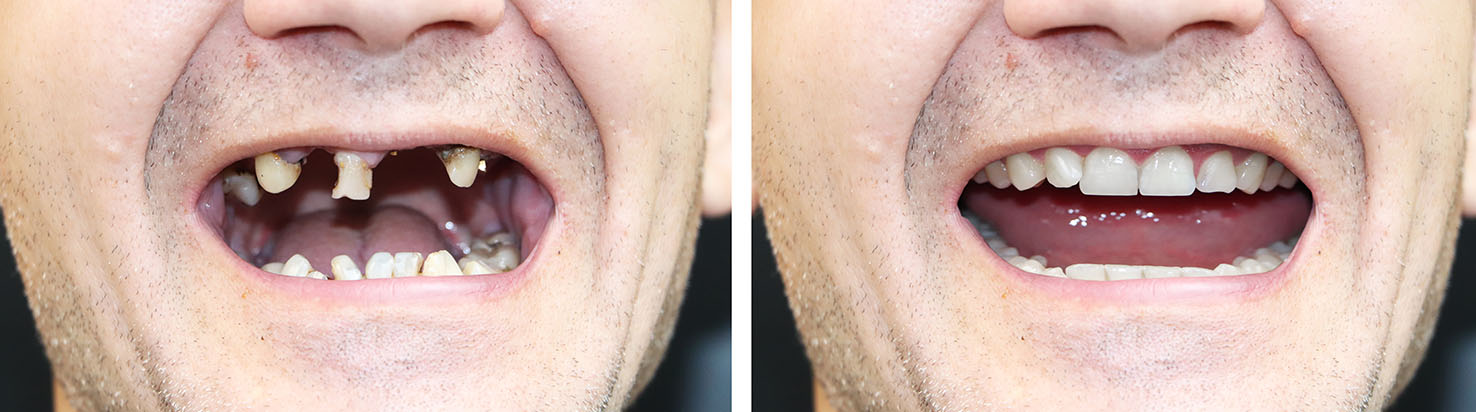
Most adults are candidates for implants, but candidacy depends on several factors that we evaluate in a comprehensive consultation. These include overall health, oral hygiene, the amount and quality of jawbone, and habits such as smoking that can affect healing. A careful review of your goals and expectations is also essential to select the most appropriate restoration.
Advanced imaging — including CBCT when indicated — helps us visualize bone volume and anatomical landmarks, which is critical for precise planning. When bone or soft-tissue limitations exist, there are well-established techniques to augment tissues and create a predictable foundation for implants.
Our team emphasizes individualized treatment planning. We will explain the rationale behind recommended options, the anticipated timeline for healing, and the steps you can take to support successful integration and long-term performance.
Implant treatment begins with planning and may include preparatory procedures such as extraction, bone grafting, or tissue enhancements. The actual implant placement is typically an outpatient procedure performed with local anesthesia and, when appropriate, sedation to maximize patient comfort.
After placement, a healing interval allows the implant to integrate with the jawbone. During this time, temporary restorations can often provide function and aesthetics. Once integration is complete, the final restorative phase includes precise impressions, shade selection, and fabrication of the definitive crown, bridge, or denture.
Throughout treatment, clear communication about anesthesia options, post-operative care, and follow-up visits helps ensure that patients feel supported and informed. Our goal is to make the process as predictable and comfortable as possible from consultation through restoration.
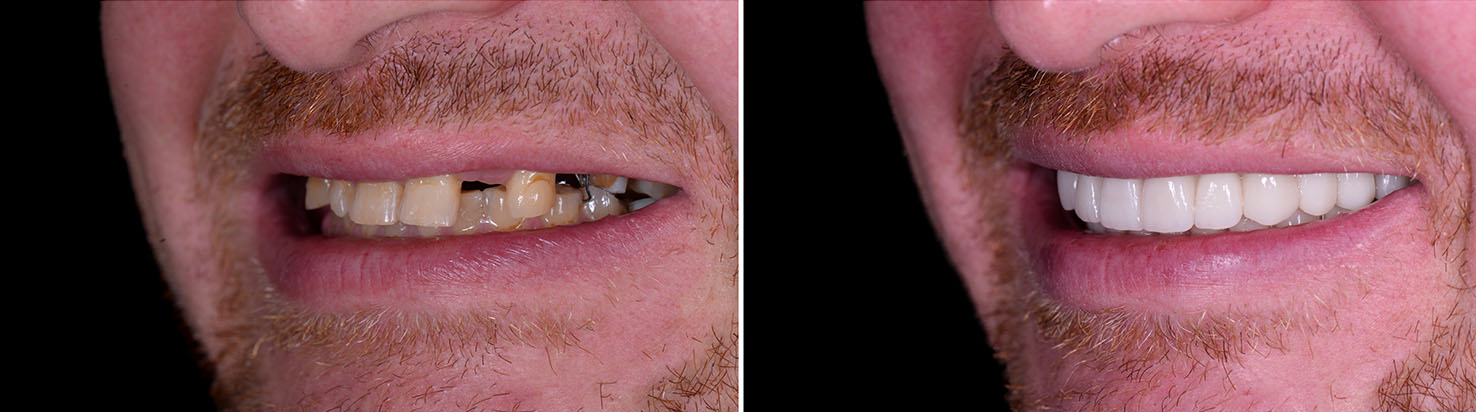
Sufficient bone volume is a cornerstone of implant success. When bone loss has occurred due to infection, extraction, or long-standing tooth absence, grafting procedures can rebuild the foundation needed for stable implant placement. These procedures use biocompatible materials and techniques tailored to each clinical situation.
Common approaches include ridge preservation at the time of extraction, localized bone grafts to augment narrow ridges, and sinus elevation procedures for the upper jaw when vertical height is limited. The timeline and complexity vary depending on the amount of augmentation required, and many grafting techniques allow implants to be placed once the grafted site has healed.
When grafting is recommended, the objective is predictable, long-term support for the implant and the overlying restoration. Thoughtful tissue management during the surgical and restorative phases helps achieve natural-looking contours and a healthy soft-tissue seal around the restoration.
Implant dentistry offers a reliable path to replace missing teeth while preserving jawbone and restoring normal function. With careful planning, experienced surgical technique, and attention to prosthetic detail, implants deliver outcomes that blend durability with natural aesthetics. Whether you are considering a single implant or a full-arch solution, a personalized evaluation will identify the best approach for your needs.
At Contemporary Dentistry our team is committed to providing thoughtful, evidence-based implant care that aligns with each patient’s goals. We welcome the opportunity to review your situation, explain the available options, and outline a clear plan that works for you.
To learn more about implant dentistry and how it can transform your smile, contact us for more information.

If you've lost a tooth due to injury, decay, gum disease, or any other reason, we recommend dental implants to replace missing teeth. Dental implants come the closest to replicating the look, feel, and function of your natural teeth.
Dental implants are placed into the jawbone and mirror the same function as the root of a tooth. The procedure for dental implants is usually performed while a patient is sedated. Patients who undergo IV sedation must have an empty stomach and transportation home following the procedure. Most sedation patients will have little to no memory of the procedure occurring.
Generally, dental implants are made out of a biocompatible metal such as titanium. Biocompatible metals are also used for other common bone implants (such as shoulder, hip, and knee replacements). The visible portion of the implant is usually made out of porcelain and is custom-made to match your existing teeth.
Dental implants are designed to fuse to the bone, which makes them become permanent fixtures. Typically speaking, the success rate is nearly 100%. There are few cases in which the implant will not fuse as intended and must be removed. If this happens to occur, the procedure can be attempted again a few months later.
Dental implants are not usually covered by dental insurance, but may be covered under a patient's medical insurance. Our office and your insurance company can discuss coverage options with you based on your individual case and treatment plan.
It's easy... just take care of an implant as if it's a natural tooth! This involves regular brushing, flossing, and dental checkups. If you have any concerns about your implant, contact us immediately.
Dental implants are replacement tooth roots made from biocompatible materials that integrate directly with the jawbone through a process called osseointegration. They provide a stable foundation for fixed or removable restorations and are engineered to bear normal chewing forces. This root-like anchorage is what distinguishes implants from traditional removable dentures.
After integration, an abutment connects the implant to a custom crown, bridge, or denture that is matched to surrounding teeth in shape and shade. Implant-supported restorations restore chewing efficiency and speech clarity while minimizing movement under function. Because implants transmit functional load to bone, they also help maintain jawbone health over time.
Most healthy adults with adequate jawbone volume and good periodontal health are potential candidates for implants, but candidacy depends on individual medical and dental factors. A comprehensive evaluation reviews overall health, current medications, oral hygiene, and habits such as smoking that can affect healing. Age alone is not a limiting factor; clinical conditions and bone quality are more important.
Advanced imaging such as CBCT helps determine bone volume and anatomical relationships so the team can plan precisely. When bone or soft-tissue deficiencies are present, predictable augmentation techniques often make implants possible for more patients. A personalized consultation is the best way to determine candidacy and required preparatory steps.
Implant restorations are tailored to the number of missing teeth and patient goals, ranging from single crowns to multiunit bridges, full-arch fixed prostheses, and implant-retained overdentures. Single implants replace an individual tooth without altering adjacent teeth, while implant bridges and full-arch solutions can restore multiple adjacent teeth or an entire dental arch. Overdentures snap onto implants to combine removable convenience with greatly improved stability.
Temporary prostheses are often provided during healing to maintain function and appearance, and definitive restorations are customized for occlusion, esthetics, and hygiene access. Materials and design are selected to balance durability with a natural appearance that integrates with surrounding teeth. Your clinician will recommend the restoration type that best meets functional and aesthetic needs.
The treatment process begins with a consultation, medical review, and diagnostic imaging to map anatomy and plan implant placement precisely. Preparatory procedures such as extractions, bone grafting, or soft-tissue enhancement may be required before implant surgery depending on the site. Clear planning and communication about expectations and healing timelines are part of the initial phase.
Implant placement is usually performed as an outpatient procedure with local anesthesia and optional sedation for comfort, followed by a healing interval to allow osseointegration. Temporary restorations can often provide function while the implant integrates, and the final restorative phase includes impressions, shade selection, and placement of the definitive crown, bridge, or denture. Overall timelines vary by case but the process is staged to maximize predictable, long-term outcomes.
Sufficient bone volume is essential for stable implant placement, and bone grafting rebuilds areas where resorption has occurred due to extraction, infection, or long-term tooth loss. Grafting can involve ridge preservation, localized augmentation, or block grafts, and materials range from autograft to biocompatible allografts and xenografts depending on the clinical need. The goal is to create a predictable foundation that supports implant stability over time.
For the upper jaw, a sinus lift raises the sinus floor to create vertical height when posterior bone is limited, allowing implants to be placed in the ideal position. These augmentation procedures may be performed at the time of extraction, staged before implant placement, or combined with implant placement when appropriate. Your clinician will explain timing, techniques, and expected healing intervals as part of individualized treatment planning.
Dental implant treatment carries risks common to oral surgery, including infection, delayed healing, failure to integrate, and, less commonly, nerve or sinus complications. Careful planning, sterile technique, and attention to systemic health and oral hygiene significantly reduce these risks, and most complications are manageable when identified early. Open communication about medical history and medications helps the team anticipate and mitigate potential issues.
When placed and maintained properly, implants have strong long-term outcomes and provide durable function for many patients. Success depends on case selection, surgical accuracy, prosthetic design, and ongoing home care and professional maintenance. Regular follow-up visits help detect early signs of problems so corrective care can preserve the implant and surrounding tissues.
Caring for implants requires the same daily attention given to natural teeth: thorough brushing, interdental cleaning with floss or specialized brushes, and avoidance of excessive forces or habits that stress the restoration. Maintaining healthy gums through routine hygiene reduces the risk of peri-implant inflammation and supports long-term stability. Smoking cessation and good general health habits also contribute to successful outcomes.
Professional maintenance visits allow hygiene professionals to clean around implant components and evaluate tissue health, occlusion, and prosthetic fit. If you notice mobility, persistent pain, unusual swelling, or changes in bite, contact the practice promptly for evaluation. Early intervention often prevents minor issues from progressing into more serious complications.
Local anesthesia is commonly used to numb the surgical site and provide effective pain control during implant placement, and many patients are comfortable with this option. For patients with dental anxiety or more extensive procedures, additional sedation choices such as nitrous oxide, oral conscious sedation, or intravenous sedation may be offered to increase comfort and reduce stress. The selection of sedation is based on medical history, procedure complexity, and patient preference.
Prior to any sedation or anesthesia, the care team reviews medical history and provides preoperative instructions to ensure safety. Monitoring during and after the procedure helps ensure stable recovery, and caregivers should arrange for transportation home if deeper sedation is used. Discuss your comfort level and medical considerations with the team so the safest, most appropriate option can be selected.
Yes. By restoring the functional load that a natural tooth root provides, implants transmit forces into the jawbone and help maintain bone volume and density. This stimulation slows the bone resorption that typically follows tooth loss and contributes to preserving facial contours and overall oral support. Maintaining bone helps prevent the progressive changes in appearance that can occur with long-standing tooth absence.
Compared with removable dentures, implant-supported teeth reduce the rate of bone loss and provide a more stable, natural result for facial aesthetics and prosthetic function. When preserving facial structure is a priority, implants are frequently recommended as part of a long-term restorative strategy. Individual anatomy and timing influence the degree of preservation, and early intervention often yields the best outcomes.
Before your consultation, gather your medical history, a list of current medications, and any questions or goals you have about function and appearance so the team can address them efficiently. If you have past dental records or recent X-rays, bring them or let us know so they can be reviewed as part of a complete evaluation. Being open about habits such as smoking and any systemic health conditions helps the clinician plan safely and effectively.
During the visit you can expect a clinical exam, digital imaging when indicated (including CBCT for three-dimensional planning), and a discussion of restoration options and timelines tailored to your needs. The team will explain recommended preparatory procedures, anesthesia choices, and follow-up protocols to support predictable outcomes. Contemporary Dentistry emphasizes individualized planning and clear communication so patients understand each step before treatment begins.