What to Do Right Away: Practical Steps When a Dental Emergency Happens
When a sudden toothache, a broken tooth, or facial swelling occurs, the first hour can make a big difference. Stay calm and assess the situation: is there active bleeding, severe swelling that affects breathing or swallowing, or a jaw fracture? If you suspect a life‑threatening injury, seek immediate medical attention. For most urgent dental problems, taking a few measured steps at home can reduce pain and improve the chances of preserving the tooth.
Begin by rinsing gently with warm salt water to clean the area and reduce bacteria. Use a cold compress against the outside of the cheek to slow swelling and control pain. Over‑the‑counter pain relievers can provide temporary relief, but avoid placing aspirin directly on the gums or tooth surface, as that can irritate soft tissues. If a tooth has been knocked out, pick it up by the crown (not the root), rinse it briefly with water if dirty, and try to reinsert it if possible; otherwise store it in milk or saliva and bring it with you.
Documenting what happened and when the symptoms began is helpful for diagnosis. Note any accompanying injuries, medications the patient is taking, and relevant medical conditions such as heart disease or bleeding disorders. This information helps your dental team prioritize care and tailor treatment safely and effectively. Prompt action and clear communication reduce complications and can often save teeth that might otherwise be lost.
How to Recognize True Dental Emergencies Versus Issues That Can Wait
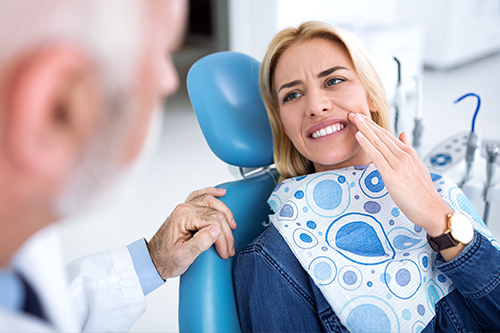
Not every dental problem requires immediate intervention, but some conditions should never be delayed. True emergencies typically involve uncontrolled bleeding, severe pain that doesn’t respond to pain medication, swelling that affects breathing or swallowing, facial trauma, or a tooth that has been completely dislodged. These situations demand same‑day attention to prevent further harm or infection.
Other urgent but less critical problems include a broken filling or crown causing discomfort, a persistent toothache that interrupts sleep, or a localized swelling suggestive of an abscess. These issues merit prompt evaluation within 24–48 hours to avoid progression. Conversely, minor chips without pain, cosmetic concerns, or routine sensitivity may be scheduled for regular office hours.
To make informed choices under stress, look for red flags: fever with oral swelling (possible systemic infection), numbness or difficulty moving the jaw, and changes in vision after facial injury. If you’re ever unsure whether a problem is urgent, it’s better to call and describe symptoms; a clinician can triage concerns and advise whether same‑day care is necessary.
Common urgent conditions we frequently treat include toothaches from deep decay, fractured or avulsed (knocked‑out) teeth, loose or lost restorations, acute infections, problematic wisdom teeth, and traumatic injuries to the mouth and jaw. Understanding the difference between urgent and non‑urgent helps patients make safer, faster decisions.
How We Diagnose and Prioritize Emergency Cases
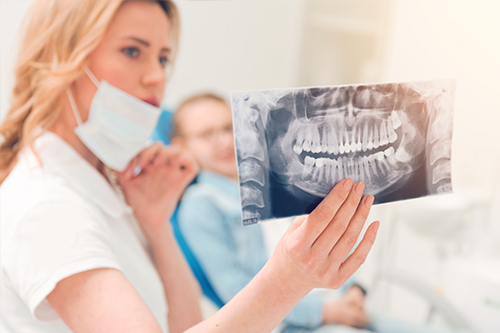
When you arrive for emergency care, the first priority is a focused assessment: a clinical exam to pinpoint the source of pain or damage, review of your medical history, and targeted imaging if needed. Modern diagnostic tools such as digital radiography and intraoral cameras let us visualize fractures, infection, and tooth structure quickly and with minimal discomfort.
Diagnosis is guided by both symptoms and objective findings. For example, a localized throbbing pain with a visible dark area on an X‑ray suggests an abscess around the tooth root, whereas sharp pain when biting can indicate a cracked tooth. Careful examination helps distinguish between conditions that require immediate treatment (such as drainage of an abscess or stabilization of a fractured tooth) and those that can be planned for the next available appointment.
We also consider overall health factors that influence treatment choices—anticoagulant use, immune status, or cardiac conditions all affect how we proceed. This medical context ensures the emergency plan is safe and effective. Triage is designed to relieve acute symptoms first and then move to definitive restoration when appropriate.
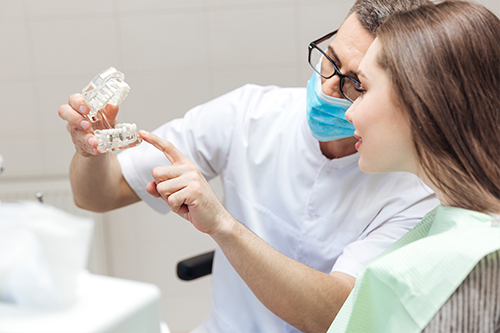
Open communication is part of the process: we explain the findings, outline short‑term measures to alleviate pain, and discuss the next steps to restore long‑term oral health. Knowing what to expect reduces anxiety and helps patients participate in decisions about their care.
Treatment Options You May Encounter During an Emergency Visit
Emergency treatment aims to address pain, control infection, and stabilize damaged teeth. For a toothache caused by decay, this might begin with a protective temporary filling or sedative dressing to reduce sensitivity. If a tooth is chipped or fractured but the root is intact, bonding or a crown may be used to rebuild form and function once the immediate symptoms are managed.
When the dental nerve is involved, root canal therapy is often the best way to relieve pain and preserve the tooth. This procedure removes infected tissue inside the tooth, cleans and seals the canal, and typically provides long‑term success. In cases where a tooth cannot be saved because of extensive damage or fracture below the gumline, extraction may be recommended to eliminate infection and protect adjacent teeth.
For knocked‑out teeth, immediate replantation (when feasible) offers the best chance of survival. When restorations like crowns or bridges become dislodged, we can often reattach or replace them to restore chewing ability and appearance. For denture problems, same‑day repairs or adjustments can restore comfort and function quickly.
Contemporary replacement options for teeth lost to trauma include dental implants, fixed bridges, and removable dentures. Implants provide a durable, natural‑feeling solution in many cases, but they are part of a staged treatment plan that begins with resolving the acute problem and ensuring the mouth is healthy and infection‑free.
Recovery, Follow‑Up, and Preventing Future Emergencies
After emergency care, follow‑up is essential. Initial treatment resolves pain and infection, but definitive restoration—crowns, root canal retreatment, or implant placement—may be scheduled later. Follow‑up appointments allow us to monitor healing, remove sutures if present, and finalize restorations to restore full function and appearance.
Home care plays a central role in recovery. Keep the area clean with gentle rinses, follow medication instructions exactly, and avoid hard, crunchy foods until a tooth is stabilized. Watch for warning signs that warrant immediate re‑evaluation: increasing pain, fever, spreading swelling, or drainage from the site. Early recognition of complications prevents more serious problems.
Prevention is the best long‑term strategy. Regular dental visits, protective appliances for sports, timely attention to small chips or loose fillings, and safe practices to reduce facial trauma all lower the risk of emergency visits. Education about safe chewing habits and avoiding nonfood objects can also keep teeth intact.
Contemporary Dentistry is committed to guiding patients through urgent dental situations with thoughtful, evidence‑based care and clear next steps for recovery and prevention. If you have questions about emergency treatment or need guidance after an oral injury, please contact us for more information.