6900 E US Highway 60
Suite 110
Gold Canyon, AZ 85118

CEREC

 html    head  title 500 Internal Server Error  title   head    body    center  h1 500 Internal Server Error  h1   center    hr  center nginx 1.29.3  center     body     html

Advanced chairside technology that lets us design, mill, and place tooth-colored ceramic restorations in a single appointment—precision dentistry that respects your time and your smile.

Same-Day Restorations: Faster Treatment, Consistent Results

When a tooth needs repair, the traditional route often means multiple visits, temporary restorations, and a waiting period while a laboratory fabricates the final crown. CEREC shifts that timeline by bringing the digital design and milling process into the treatment room. That means your restorative work can be completed in one efficient appointment without compromising fit or durability.

Beyond convenience, same-day restorations reduce the window when a tooth is vulnerable and remove the need for a temporary crown that can come loose or irritate the surrounding tissues. The ability to finalize treatment in one visit also reduces repeated local anesthesia and minimizes disruption to your schedule.

Patients appreciate the predictability of a single-visit workflow, and clinicians benefit from more control over the design and finish of the restoration. The result is a practical combination of speed and precision that supports long-term oral health.
 html    head  title 500 Internal Server Error  title   head    body    center  h1 500 Internal Server Error  h1   center    hr  center nginx 1.29.3  center     body     html

Chairside Craftsmanship: How Crowns, Inlays, and Onlays Are Created

CEREC is capable of producing a wide range of ceramic restorations, from conservative inlays and onlays to full crowns. Each restoration is designed to respect the tooth’s natural anatomy and the way your bite functions. The process places a premium on conserving healthy tooth structure while restoring strength and aesthetics.

The ceramic materials used with CEREC are engineered for durability and lifelike appearance. They resist staining and can be customized to match surrounding teeth, producing results that blend seamlessly into your smile. Because the restoration is milled from a solid block of ceramic, it delivers consistent strength and a smooth, polishable surface.

Because the fabrication happens on-site, your clinician can inspect, adjust, and finish the restoration immediately, fine-tuning occlusion and contour before final placement. This hands-on phase helps ensure that the restoration feels comfortable and performs naturally from day one.

 html    head  title 500 Internal Server Error  title   head    body    center  h1 500 Internal Server Error  h1   center    hr  center nginx 1.29.3  center     body     html

From Scan to Restoration: A Clear, Predictable Workflow

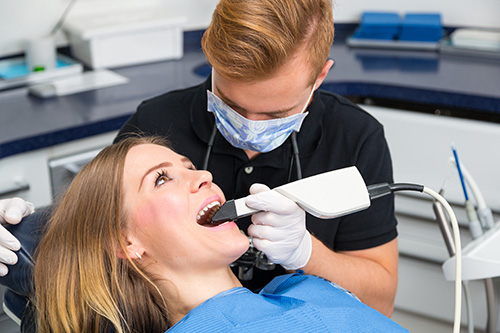
The CEREC workflow begins with a digital scan that captures a high-resolution 3D image of the prepared tooth and adjacent structures. This scan replaces traditional impression material, making the experience more comfortable for most patients while delivering a highly detailed digital model for planning.

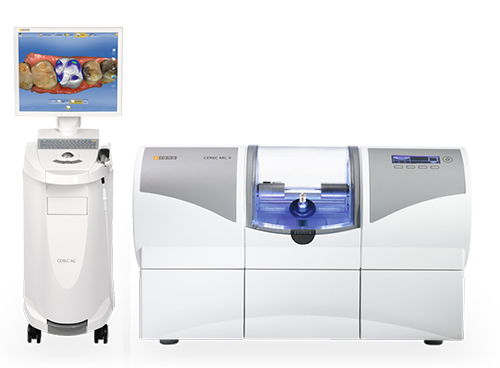
Using specialized CAD software, the clinician designs the restoration to fit precisely within the prepared space and harmonize with the occlusion. The digital design is then transmitted to a milling unit at the chairside, which fabricates the restoration from a single block of ceramic as you wait.

After milling, the restoration is refined, stained or glazed if necessary, and checked for fit and function. Final cementation bonds the ceramic to the tooth, creating a restoration that is both secure and aesthetically integrated with the surrounding dentition.

 html    head  title 500 Internal Server Error  title   head    body    center  h1 500 Internal Server Error  h1   center    hr  center nginx 1.29.3  center     body     html

Materials and Aesthetics: Natural-Looking, Long-Lasting Ceramics

CEREC restorations are milled from advanced dental ceramics that combine strength and translucency. These materials mimic the light-reflective qualities of natural enamel, which allows restorations to blend with adjacent teeth for a pleasing and natural appearance.

In addition to their aesthetic benefits, contemporary ceramics are biocompatible and resist surface wear and staining. When properly designed and bonded, a ceramic restoration can withstand normal chewing forces and maintain its appearance for many years with routine home care and professional monitoring.

The ability to match color, shape, and texture chairside means small adjustments can be made immediately to achieve the most natural result. This level of control improves cosmetic outcomes and fosters patient satisfaction with the final restoration.

What to Expect: Comfort, Communication, and Predictability

Treatment with CEREC is straightforward and patient-centered. Your clinician will explain each step—preparation, digital scanning, design, milling, and bonding—so you know what to expect and why each phase matters. Clear communication helps ensure you feel comfortable and informed throughout the appointment.

Many patients find the absence of messy impression materials and temporary crowns to be a significant comfort improvement. The digital workflow also reduces chair time overall, yet it preserves the clinical attention necessary to achieve precise margins, proper contacts, and a comfortable bite.

At Contemporary Dentistry, we integrate CEREC into individualized treatment plans that consider the tooth’s condition, your oral health history, and aesthetic goals. Our focus is on predictable, minimally invasive solutions that restore function while supporting long-term stability.

Whether you need a single crown, an onlay to repair a fractured cusp, or a conservative inlay to replace a failing filling, CEREC offers a reliable option that combines contemporary materials with modern digital techniques for consistent, excellent care.

In summary, CEREC brings efficient, high-quality ceramic restorations directly to the treatment chair—reducing appointments, eliminating temporary restorations, and delivering durable, natural-looking results. If you'd like to learn more about how same-day ceramic restorations could fit into your dental care, please contact Contemporary Dentistry for additional information.

Frequently Asked Questions

What are CEREC® same-day crowns?

+

Today, there's no need to merely imagine how nice it would be to have a dental crown fabricated in a single visit. With CEREC technology and advanced systems of care, multiple trips to the dentist are a thing of the past! Now, one appointment is all it takes for our skilled and experienced dentist to design, fabricate, and place a naturally beautiful and long-lasting same-day crown. And, best of all, unlike conventional methods of care, you won't have to endure messy dental impressions, wear a temporary crown, or wait weeks for your permanent restoration to come back from the laboratory.

How are CEREC® same-day crowns made?

+

Offering a level of precision and comfort that exceeds conventional methods of care, CEREC technology is nothing short of amazing! Advanced CAD/CAM technology, which stands for computer-aided design and computer-aided manufacturing, enables our dentist to translate images from an optically scan tooth into a 3D virtual model upon which a custom crown can be digitally designed. Once this step is done, the detailed specs are then wirelessly transmitted to a chairside 3D milling machine to fabricate your new ceramic crown while you wait!

What are the benefits of CEREC® same-day crowns?

+

With conventional methods of care, a dental crown can take two to three visits to fabricate and place. However, thanks to the benefits of CEREC technology, we can prepare a tooth, then design, fabricate, and place your new crown, all while you wait.

With CEREC same-day crowns, there's none of the mess of conventional dental impressions, wearing dental temporaries, or waiting for the final crown to come back from the lab. Once the prepared tooth is optically scanned and the restoration digitally designed, your new crown can be milled from the highest quality of dental ceramics that very same visit.

Will my CEREC® same-day crown look natural?

+

CEREC same-day crowns and restorations are fabricated from the highest quality of dental ceramics. Because dental porcelain reflects light in much the same way as dental enamel, your new crown will look flawless, completely natural, and blend seamlessly with your smile.

Do CEREC® same-day crowns last a long time?

+

A CEREC same-day crown offers much more than a convenient approach to getting a dental crown. It is also a high quality, naturally beautiful, extremely durable, and long-lasting dental restoration! The fact is, with proper oral hygiene and routine dental care your new crown will serve your smile well for many years to come.

What is CEREC and how does it differ from traditional crown fabrication?

+

CEREC is a chairside CAD/CAM system that enables dentists to design, mill, and place ceramic restorations in a single appointment. Unlike traditional crown workflows that rely on physical impressions, lab fabrication, and temporary restorations, CEREC replaces those steps with a digital scan and in-office milling. This streamlined approach reduces the number of visits and gives clinicians direct control over design and final adjustments. The digital workflow also lowers the risk of communication errors between the office and an external laboratory.

Because the restoration is fabricated from a single block of engineered ceramic, clinicians can achieve precise margins and predictable contours before final cementation. The immediate feedback from the digital model allows for on-the-spot refinements to contacts and occlusion. Patients often find the process more comfortable and efficient since it eliminates messy impression materials and temporary crowns. Overall, CEREC emphasizes a faster, more integrated restorative experience while maintaining clinical standards for fit and function.

How does the CEREC same-day restoration process work?

+

The CEREC process begins with a diagnostic exam and preparation of the tooth, followed by a high-resolution digital scan that captures the prepared tooth and surrounding structures. The clinician uses specialized CAD software to design the restoration with attention to anatomy, contacts, and occlusion, then sends that design to a chairside milling unit. The restoration is milled from a solid ceramic block while the patient waits, and the clinician refines shape, stains or glazes if needed, and polishes the surface. Final cementation bonds the ceramic to the tooth, creating a secure, esthetic restoration in one visit.

During the appointment the clinician verifies fit and function before bonding, making small adjustments to ensure the restoration feels natural in the bite. The ability to complete design and fabrication on-site reduces the chance of remakes and speeds up care. Because the entire workflow is digital, files can be archived for future reference or used by specialists if additional treatment is needed. Clear communication at each step helps patients understand the timing and what to expect throughout the visit.

What types of restorations can be made with CEREC?

+

CEREC can produce a range of ceramic restorations, including inlays, onlays, single crowns, and select veneers that are suitable for CAD/CAM fabrication. These restorations are well suited to conservative repairs where preserving healthy tooth structure is a priority and where a single-unit restoration will restore form and function. In many practices CEREC is also used to fabricate custom implant crowns and single-unit implant restorations when appropriate digital workflows are in place. The system is flexible but is most efficient for single-unit and small multi-surface restorations rather than very long-span prostheses.

Material selection is an important consideration for each restoration type, and clinicians choose ceramics based on strength, translucency, and the functional demands of the tooth. For example, stronger glass-ceramics may be selected for posterior crowns while more translucent options can be chosen for anterior esthetics. Because these materials are milled and then adjusted chairside, clinicians can fine-tune contour and shade to achieve a natural appearance. Case selection and proper adhesive technique are critical to the long-term success of each restoration.

Are CEREC ceramics durable and long-lasting?

+

CEREC restorations are milled from advanced dental ceramics that offer a combination of strength, wear resistance, and esthetic translucency. When properly designed, milled, and bonded to a well-prepared tooth, these ceramics provide reliable performance under normal chewing forces. The longevity of any restoration depends on factors such as occlusal load, parafunctional habits, the extent of the underlying tooth structure, and the quality of the adhesive bond. Regular dental evaluations help ensure restorations continue to function as intended and allow clinicians to address wear or marginal changes early.

Contemporary ceramics resist staining and surface degradation better than older restorative materials, and they are biocompatible with oral tissues. Proper finishing and polishing at the time of placement also reduce surface roughness, which helps minimize plaque accumulation and wear on opposing teeth. With appropriate case selection and routine care, ceramic restorations can maintain both form and esthetics over time. Clinicians monitor restorations during periodic visits to assess integrity and occlusal relationships.

How do digital scans with CEREC improve patient comfort and accuracy?

+

Digital scans replace traditional impression materials with a high-resolution, three-dimensional capture of the prepared tooth and adjacent dentition, which many patients find more comfortable and less intrusive. The scan produces a detailed digital model that improves the precision of the restoration design and reduces the likelihood of errors associated with distorted or incomplete impressions. Instant visualization of the scan also enables clinicians to confirm margin clarity and preparation details in real time. This accuracy contributes to better-fitting restorations and fewer adjustments at placement.

Because the digital file can be manipulated immediately, the design phase becomes a collaborative process where the clinician reviews occlusion, contacts, and contour on screen before milling. The scanned data can be archived for future reference or shared electronically with specialists if additional treatment is required. Eliminating physical impressions also streamlines infection control procedures and shortens appointment times for many patients. Overall, digital scanning enhances both clinical predictability and the patient experience.

What should I expect during a CEREC appointment?

+

At Contemporary Dentistry, a typical CEREC appointment begins with a dental exam and local anesthesia as needed, followed by tooth preparation and a digital scan. The clinician designs the restoration using CAD software while you wait, then the milling unit fabricates the ceramic restoration from a solid block. After milling, the restoration is tried in, adjusted for fit and occlusion, finished, and bonded to the tooth, all within the same visit.

Patients often notice the absence of temporary crowns and messy impression materials, which simplifies postoperative care and reduces the need for follow-up visits related to temporaries. Your clinician will provide instructions for short-term sensitivity management and normal function after bonding, and they will schedule routine checkups to monitor the restoration. Clear communication during the visit helps ensure you understand each step and feel confident about the outcome.

How does the chairside milling and customization process ensure a natural look?

+

Chairside milling produces a precisely shaped restoration that follows the digital design created to match the tooth's anatomy and the patient's occlusion. After milling, clinicians can apply stains, glazing, and polishing to enhance color, translucency, and surface texture so the restoration integrates with adjacent teeth. Because these adjustments occur immediately, the clinician can fine-tune shade and contour based on direct observation in the mouth rather than relying on remote lab communication. This hands-on phase helps achieve a more natural and personalized esthetic result.

In addition to color matching, the clinician evaluates contacts and emergence profile to ensure the restoration looks and functions like the natural tooth. The ability to make immediate refinements reduces the need for remakes and improves patient satisfaction with the final appearance. Polishing and glazing also protect the ceramic surface and contribute to long-term esthetics. Overall, the integrated workflow supports a high level of cosmetic control during a single appointment.

Can CEREC restorations be used with dental implants or complex cases?

+

CEREC can be used to fabricate single-unit implant crowns and certain implant abutments when the clinical situation and digital workflow are compatible with chairside production. For single-tooth implant restorations, a digital scan captures the implant position and surrounding anatomy, allowing the clinician to design a custom crown that fits the prosthetic interface. Complex implant cases, full-arch reconstructions, or multi-unit fixed bridges often require laboratory collaboration, specialized materials, or additional laboratory processes that extend beyond chairside milling.

The clinician evaluates each case for factors such as implant angulation, soft-tissue considerations, occlusal forces, and esthetic demands before recommending a CEREC solution. In situations where a lab-fabricated restoration is more appropriate, the digital files produced chairside can still be shared with the laboratory to streamline communication and improve consistency. Treatment planning may also involve coordination with implant surgeons or other specialists to achieve the best clinical outcome.

What maintenance is required to keep a CEREC restoration in good condition?

+

Maintaining a CEREC restoration starts with diligent daily oral hygiene, including brushing with a nonabrasive toothpaste and flossing to protect the margins from plaque accumulation. Avoiding excessive forces such as biting hard objects and managing parafunctional habits like bruxism will reduce the risk of chipping or undue wear. If you use a nightguard or other protective appliance, follow the clinician's recommendations to safeguard restorations from nocturnal grinding.

Regular dental checkups and professional cleanings are important to monitor the restoration's margins, contacts, and occlusion over time. During these visits the clinician can polish the ceramic, check for early signs of wear, and make minor adjustments to preserve function and comfort. Promptly reporting any sensitivity, looseness, or changes in bite helps ensure timely intervention and supports the long-term health of the restoration.

How do clinicians decide if CEREC is the right option for my tooth?

+

The decision to use CEREC is based on a comprehensive clinical evaluation that considers the extent of decay or damage, remaining tooth structure, occlusal forces, esthetic goals, and overall oral health. The clinician reviews diagnostic records, including digital scans and radiographs, to determine whether a single-unit, chairside-fabricated restoration will provide the strength and contour needed for long-term success. Patient-specific factors such as bite patterns, parafunction, and restorative history also influence whether CEREC is the most appropriate solution.

The clinicians at Contemporary Dentistry discuss the advantages and limitations of CEREC with patients during treatment planning and recommend alternative laboratory-based options when those are better suited to complex needs. Shared decision-making ensures the selected approach aligns with the patient's priorities for function and esthetics while following sound restorative principles. If CEREC is chosen, the practice follows meticulous preparation and bonding protocols to optimize the restoration's performance.