
6900 E US Highway 60
Suite 110
Gold Canyon, AZ 85118
6900 E US Highway 60
Suite 110
Gold Canyon, AZ 85118

At Contemporary Dentistry, we combine careful craftsmanship with modern materials to restore teeth that are worn, broken, or weakened. Our team stays current with advances in dental ceramics so the restorations we recommend deliver predictable strength, excellent fit, and an appearance that blends with your natural smile.
Even though tooth enamel is extremely hard, it can be compromised by decay, injury, large fillings, or the long-term effects of grinding. In many of those cases, a standard filling isn’t sufficient to rebuild the tooth’s structure. A full-coverage restoration — a crown — is often the most reliable way to protect the remaining tooth, restore chewing function, and preserve long-term oral health.
Today’s all-ceramic crowns are metal-free restorations engineered to provide both durability and lifelike aesthetics. These materials allow us to create crowns that match surrounding teeth in color and translucency while minimizing the need to remove healthy tooth structure. Our approach is conservative and tailored to each patient’s goals and functional needs.
A crown is recommended when a tooth requires more support than a filling can provide. This commonly happens after extensive decay, a large fracture, or following endodontic (root canal) therapy when the remaining tooth walls are weakened. Crowns encase the entire visible portion of the tooth above the gumline, redistributing biting forces and protecting fragile tooth structure from further breakdown.
Crowns are also the restoration of choice for situations where a tooth must serve as an anchor for a bridge, or when restoring an implant to provide a permanent, tooth-like replacement. In cosmetic cases, crowns can correct size, shape, and severe discoloration that other treatments might not address effectively.
Deciding whether a crown is the right option begins with a thorough exam that evaluates the tooth’s remaining structure, the bite forces it will encounter, and the aesthetic goals you have for your smile. We discuss alternatives, explain the benefits of each option, and recommend the solution that best balances longevity and appearance.

Modern ceramic materials are engineered for strength as well as appearance. When a ceramic crown is properly planned and bonded, it acts as a protective cap that stabilizes the tooth and reduces the risk of further fracture. The bond between the ceramic and tooth helps seal the margin, which can lower the chance of recurrent decay along the edge of the restoration.
Ceramic crowns can be crafted in ways that preserve more of the natural tooth than older crown systems required. Less aggressive tooth preparation can mean better long-term outcomes for the tooth root and surrounding tissues. Additionally, because ceramic restorations are metal-free, they avoid the aesthetic issues that can arise from metal margins showing at the gumline.
Proper occlusal design (the way the teeth fit together) is essential to the crown’s success. We evaluate your bite and any habits such as clenching or grinding, and adjust the crown’s shape and material choice accordingly to withstand everyday forces without compromising comfort or function.
Ceramic crowns mimic the optical properties of natural enamel. They transmit and reflect light in a way that gives depth and vitality to the restoration, rather than appearing flat or opaque. Shade matching is done carefully — we consider color, translucency, and surface texture to create a seamless transition between the crown and the adjacent teeth.
Advanced ceramics are available in a range of translucencies and strengths. For anterior teeth where aesthetics are a priority, materials that provide higher translucency can achieve a natural sheen. For posterior teeth that require additional strength, denser ceramic formulations or layered techniques ensure durability while still maintaining a pleasing appearance.
Because ceramic crowns resist staining and are biocompatible, they remain an attractive option for patients who want a long-term, natural-looking restoration. The absence of metal also reduces the risk of grayish lines at the gum and makes ceramic crowns a go-to choice for patients seeking metal-free dentistry.
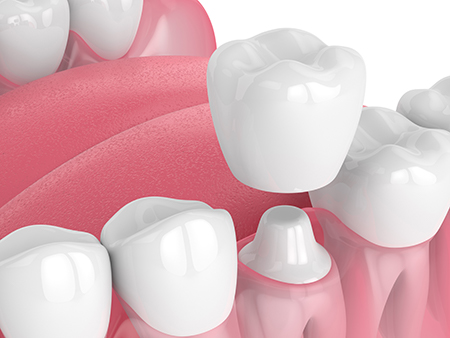
Not all ceramic crowns are the same. The choice of material depends on the tooth’s location, the amount of stress it will endure, and the cosmetic demands of the case. Some ceramics offer exceptional translucency for front teeth, while others prioritize strength for molars. We evaluate these factors and recommend the material that best meets both the functional and aesthetic requirements of each tooth.
Common contemporary options include lithium disilicate, leucite-reinforced porcelains, and various formulations of zirconia. Lithium disilicate is prized for its balance of strength and natural appearance; zirconia provides robust resistance to fracture and is often chosen for posterior teeth or for patients with strong bite forces. High-translucency zirconia is another option when both strength and aesthetics are needed.
Choosing the right ceramic is a collaborative process. We explain the advantages of each option, show examples of how they perform in similar cases, and tailor the selection to your priorities — whether that’s maximum aesthetic integration or the highest possible strength for demanding bite conditions.

The treatment process for a ceramic crown typically involves two main visits. On the first visit we prepare the tooth, take digital impressions or traditional molds, and place a temporary restoration to protect the tooth while the final crown is fabricated. The final appointment includes a careful evaluation of fit, bite, and shade before the crown is permanently bonded in place.
After placement, routine care is straightforward: brush twice daily, floss daily, and continue regular professional cleanings and exams. Avoiding hard or sticky foods immediately after cementation helps the bond set without stress. We also advise on protective measures such as a nightguard if you have a history of clenching or grinding to help prolong the life of the crown.
With proper maintenance, ceramic crowns can provide many years of reliable service. If any concerns arise — sensitivity, looseness, or unusual wear — contact our team promptly so we can evaluate the restoration and address issues before they progress.
Our practice is committed to delivering restorative solutions that balance function, longevity, and natural appearance. We combine careful diagnostic planning, contemporary materials, and precise laboratory work or in-office milling to produce crowns that meet exacting standards for fit and aesthetics.
Throughout the process we prioritize clear communication and patient comfort. We take the time to explain each step, review material options, and answer questions so you understand the rationale behind every recommendation. This collaborative approach helps ensure predictable outcomes and a restoration you can feel confident about.
If you’d like to learn more about ceramic crowns or discuss whether they’re the right option for your smile, please contact us for more information. Our team is happy to explain the process and help you choose a solution tailored to your needs.

While a dental filling is designed to replace a portion of a decayed or damaged tooth, a dental crown offers full coverage to restore the tooth’s entire outer surface. A well-fitting dental crown not only protects and strengthens the underlying tooth structure, but it also restores the tooth’s appearance and function.
The procedure for getting an all-ceramic crown is much like the procedure for getting any other type of crown. In all cases, the tooth needs to be prepared, an impression taken, and a permanent crown cemented into place. A single all-ceramic crown can typically be fabricated over the course of two visits. However, with CAD/CAM technology, a same-day crown can be fabricated from start to finish in a single visit. With the first approach, a temporary crown is typically worn until the second visit, when the permanent restoration is placed. As with every treatment plan, our office will explain your best options in care.
As the name implies, a temporary crown is only worn for a short time until the permanent crown is placed. A temporary crown is typically fabricated from durable tooth-colored dental acrylics. While designed to protect the underlying tooth between appointments, and until your new permanent crown gets placed, a temporary crown is also fabricated to look like a natural tooth and maintain the look of your smile.
While you should feel better having an attractive and functional tooth to restore your smile, your tooth may feel a little sensitive following treatment. This initial sensitivity will subside. We take great care to make sure your new restoration looks great, fits well, and your bite is perfect. However, we’re always happy to make any minor adjustments to ensure your comfort.
With some exceptions, teeth with root canal procedures are typically restored and protected from further damage with a full-coverage crown. Based on what’s best for your smile, our office will recommend the most appropriate restoration to maintain the health and longevity of your tooth following a root canal procedure.
A dental crown is a long-term restoration that, if properly cared for, can serve you well for many years to come. Once your new crown is placed, it requires the same brushing, flossing, and periodic checkups as your natural teeth. Avoid biting your fingernails and chewing on hard or sticky objects such as ice, pencils, or taffy, which can damage or loosen your crown. Remember, clenching and grinding your teeth puts excessive pressure on both natural teeth and dental restorations. Unless treated, this habit can compromise the longevity and integrity of your dental work, including crowns.
Although your new all-ceramic crown restores the tooth's strength, form, and function, you can still develop dental disease in the absence of proper care. To prevent gum disease and tooth decay, it’s essential to brush and floss as instructed and see our office for routine checkups, cleanings, and care.
How long a dental crown lasts depends on various factors, including your level of oral care, diet, and oral habits. While the standard answer is that dental crowns can last anywhere from 5 to 15 years, existing literature confirms that most dental crowns remain in place at 15 to 20 years.
At the office of Contemporary Dentistry, we strive to provide the highest quality of care to address all your dental needs. Once we’ve had the opportunity to examine your smile, we can give you a clear picture of any dental issues that are present, along with a quote for how much treatment will be. The cost of dental crowns can vary a little, depending on the type of crown and its location. Our goals are to provide the highest quality of care and help patients begin treatment without additional financial stress or delay. We’re always happy to answer all your questions on dental insurance coverage, available financing, and payment plans.
Coverage for all-ceramic crowns depends on your dental insurance plan. Today, many dental plans provide some level of coverage for all-ceramic crowns. At the office of Contemporary Dentistry, we work with patients to optimize their dental benefits and get the care they need to maintain healthy and beautiful smiles!
Ceramic crowns are full-coverage, metal-free restorations fabricated from advanced dental ceramics that mimic the optical qualities of natural enamel. They are engineered to transmit and reflect light in ways similar to natural teeth, which produces a lifelike appearance suitable for visible areas of the mouth. Unlike traditional porcelain-fused-to-metal crowns, ceramic crowns avoid metal substructures and the risk of metal margins showing at the gumline.
Different ceramic systems prioritize either translucency or strength, and modern formulations allow clinicians to balance both attributes depending on the tooth's location and function. Because they are bonded to the prepared tooth, ceramic crowns can provide excellent marginal seal and esthetics while preserving as much natural tooth as possible. These properties make them a preferred choice when a natural look is a primary concern without sacrificing reliable performance.
A ceramic crown is recommended when a tooth lacks sufficient healthy structure for a durable filling or when the remaining tooth walls are weakened by decay, fracture, or large existing restorations. Crowns encase the entire visible portion of the tooth above the gumline, redistributing biting forces and protecting the underlying root and remaining tooth structure. They are also commonly used following root canal therapy to prevent further fracture and restore full chewing function.
In restorative planning we evaluate the extent of tooth loss, occlusal forces, and aesthetic goals to determine whether a crown is the most predictable long-term solution. Crowns are also favored when a tooth must serve as an abutment for a bridge or when restoring an implant to achieve a permanent tooth-like result. Alternatives such as inlays, onlays, or composite buildups may be considered when sufficient tooth structure remains and the functional demands are lower.
Common ceramic materials include lithium disilicate, leucite-reinforced porcelain, and various formulations of zirconia, each with distinct strengths and optical properties. Lithium disilicate is known for its balance of strength and translucency, making it a versatile option for both anterior and some posterior restorations. Zirconia offers exceptional fracture resistance and is often selected for molars or patients with strong bite forces, while high-translucency zirconia provides improved aesthetics when strength is still a priority.
Material selection is individualized based on the tooth's location, the amount of remaining tooth structure, the patient's bite and parafunctional habits, and aesthetic goals. We discuss the advantages and trade-offs of each material, show examples of results in similar cases, and recommend what best meets functional demands and appearance expectations. This collaborative process ensures the chosen ceramic aligns with both longevity and cosmetic priorities.
The process typically begins with a thorough diagnostic exam, careful tooth preparation, and digital or conventional impressions to capture the tooth and occlusion. A temporary restoration protects the prepared tooth while the final crown is fabricated by a laboratory or milled in-office using CAD/CAM technology. During the final appointment we verify fit, contact points, occlusion, and shade before permanently bonding the crown using adhesive techniques that enhance strength and marginal seal.
Digital workflows and precise communication with the dental laboratory or in-office milling system help produce crowns that fit accurately and require minimal adjustment. Proper occlusal design and fit are essential to the restoration's longevity, so clinicians fine-tune contacts and bite at delivery to ensure comfort and function. We also provide post-placement guidance to help the restoration integrate smoothly into daily use.
Yes, same-day ceramic crowns can be produced and seated in a single visit using chairside CAD/CAM systems such as CEREC when clinical conditions allow. Digital scanning captures the prepared tooth and surrounding dentition, the restoration is designed on-screen, and a ceramic block is milled and finished in the office. This workflow eliminates the need for a temporary crown and often shortens treatment time while maintaining high standards for fit and aesthetics.
Not every case is suitable for same-day milling; complex shade matching, extensive occlusal adjustments, or cases requiring specialized laboratory layering may still benefit from lab fabrication. We evaluate each patient's needs and discuss whether an in-office same-day crown is appropriate, balancing speed with the best aesthetic and functional outcome. When chosen, same-day crowns provide a convenient option without compromising clinical quality.
When properly planned and bonded, ceramic crowns act as a protective cap that stabilizes the remaining tooth and redistributes occlusal forces to reduce the risk of fracture. The bonded margin helps seal the interface between the restoration and tooth, which can lower the risk of recurrent decay at the edges. By restoring proper form and function, crowns also help reestablish appropriate chewing surfaces and contacts that reduce abnormal wear on adjacent teeth.
Conservative preparation techniques and modern adhesive protocols allow clinicians to preserve more healthy tooth structure while still achieving a durable restoration. We also assess and address contributing factors such as bruxism, misaligned bite, or inadequate oral hygiene to prevent future complications. When risk factors exist, protective measures like nightguards or occlusal adjustments are recommended to extend the restoration's service life.
Caring for a ceramic crown involves the same daily habits that support natural teeth: brush twice daily with a fluoride toothpaste, floss daily, and maintain regular professional cleanings and exams. Good oral hygiene helps prevent gum inflammation and recurrent decay at the restoration margins, which are the most common threats to long-term success. Avoiding hard or unusually sticky foods immediately after cementation helps the bond set undisturbed and reduces the chance of premature damage.
If you have habits such as clenching or grinding, wearing a custom nightguard can significantly reduce stress on crowns and adjacent teeth. Promptly report any sensitivity, looseness, or changes in bite so the team can assess and make timely repairs if needed. With routine care and attention to protective measures, ceramic crowns can provide stable, attractive function for many years.
As with any dental restoration, potential complications include sensitivity after placement, chipping or fracture of the ceramic, marginal leakage if the bond fails, and changes in the surrounding gum tissue. Some patients may experience temporary temperature sensitivity that typically diminishes as the tooth adapts and any internal inflammation resolves. Ceramic materials are strong but not indestructible, so high-impact forces or untreated parafunctional habits can increase the chance of damage.
Careful case selection, appropriate material choice, and precise fit reduce the likelihood of complications, and routine follow-up allows early detection of emerging issues. If a crown chips or becomes loose, timely evaluation often allows repair or rebonding rather than full replacement. Our focus is on minimizing risk through conservative preparation, accurate occlusal design, and patient education about protective measures.
Good candidates for ceramic crowns include patients with teeth that have extensive decay, large fractures, weakened walls after root canal therapy, or cosmetic concerns that simpler restorations cannot address. Patients seeking metal-free solutions for a natural appearance and biocompatibility are also strong candidates for ceramic restorations. The choice is guided by the tooth's structural needs, the patient's bite dynamics, and aesthetic priorities.
Alternatives such as inlays, onlays, veneers, or direct composite restorations may be preferable when sufficient tooth structure remains and functional demands are limited. In some posterior situations with extreme bite forces, clinicians may recommend higher-strength ceramic formulations or layered approaches, and in rare cases a different restorative design may better meet functional requirements. We review all suitable options and recommend the treatment that best balances durability, conservation of tooth structure, and appearance.
At Contemporary Dentistry we combine digital diagnostics, careful shade selection, and precise laboratory communication or in-office milling to achieve natural integration between crowns and adjacent teeth. Our clinicians consider color, translucency, surface texture, and anatomy when designing restorations so crowns blend seamlessly with surrounding dentition. We also use contemporary ceramics selected for the appropriate balance of translucency and strength based on each tooth's position and functional demand.
Clear communication with patients about aesthetic goals and a collaborative evaluation of material choices help tailor results to individual preferences. During delivery we verify shade, contacts, and occlusion to ensure the crown looks and functions as intended, and we provide follow-up care guidance to maintain the restoration's appearance over time. This attention to detail supports predictable, natural-looking outcomes that align with each patient's expectations.